
13 Best Day Trips from Lisbon: Beaches, Palaces, Historic Towns & More

One of the biggest advantages of visiting Lisbon is just how much of Portugal you can explore without moving hotels or planning an entire road trip.
There are some genuinely excellent day trips within easy reach of the city, and they’re surprisingly varied. You can spend a day visiting the palaces of Sintra, take the train along the coast to Cascais, escape to the beaches south of the Tagus, explore the medieval streets of Óbidos, or head into the Alentejo for a completely different side of Portugal.
Having lived in Portugal for close to a decade, I’ve visited pretty much all of these places in this guide myself, several of them more than once. And while Sintra is understandably the day trip almost everyone hears about first, I definitely wouldn’t stop there.
Some of my favourite trips from Lisbon have actually been the less obvious ones, whether that was hiking through Arrábida, wandering around Évora, spending the day in Ericeira or taking the ferry from Setúbal across to Tróia.
So I’ve put together the day trips I genuinely think are worth considering, along with what each destination is best for, how practical it is without a car and, importantly, whether I’d devote a full day to it or combine it with somewhere else.
Which Lisbon day trip should you choose?
- For your first day trip from Lisbon: Sintra
- For an easy coastal escape: Cascais & Estoril
- For a full beach day on expansive beaches: Costa da Caparica
- For a medieval walled town: Óbidos
- For surf-town atmosphere: Ericeira
- For a grand palace without the Sintra itinerary: Mafra
- For hiking, clear-water coves and mountain scenery: Arrábida
- For seafood and a working Portuguese city: Setúbal
- For a traditional seaside town: Sesimbra
- For wine, countryside and Palmela Castle: Palmela & Azeitão
- For history, food and the Alentejo: Évora
- For Templar history: Tomar
- For a major Catholic pilgrimage site: Fátima
1. Sintra
Best for: Palaces, gardens and Portuguese history
Car needed? No
Allow: A full day
Sintra is usually first on the list of any day-trip recommendations from Lisbon and, even though it is a major tourist hotspot, there’s a very good reason it retains the top spot.
I’ve visited several times and still think it’s one of the most extraordinary places you can easily reach from Lisbon. The town sits among the wooded Sintra hills, surrounded by palaces, old estates and gardens shaped over centuries by Portuguese royalty and wealthy families.
The mistake I’d avoid is arriving with a list of five palaces and trying to race through all of them. Personally, I’d choose two, or at most three, places that genuinely interest you and give yourself time to enjoy them.
Pena Palace
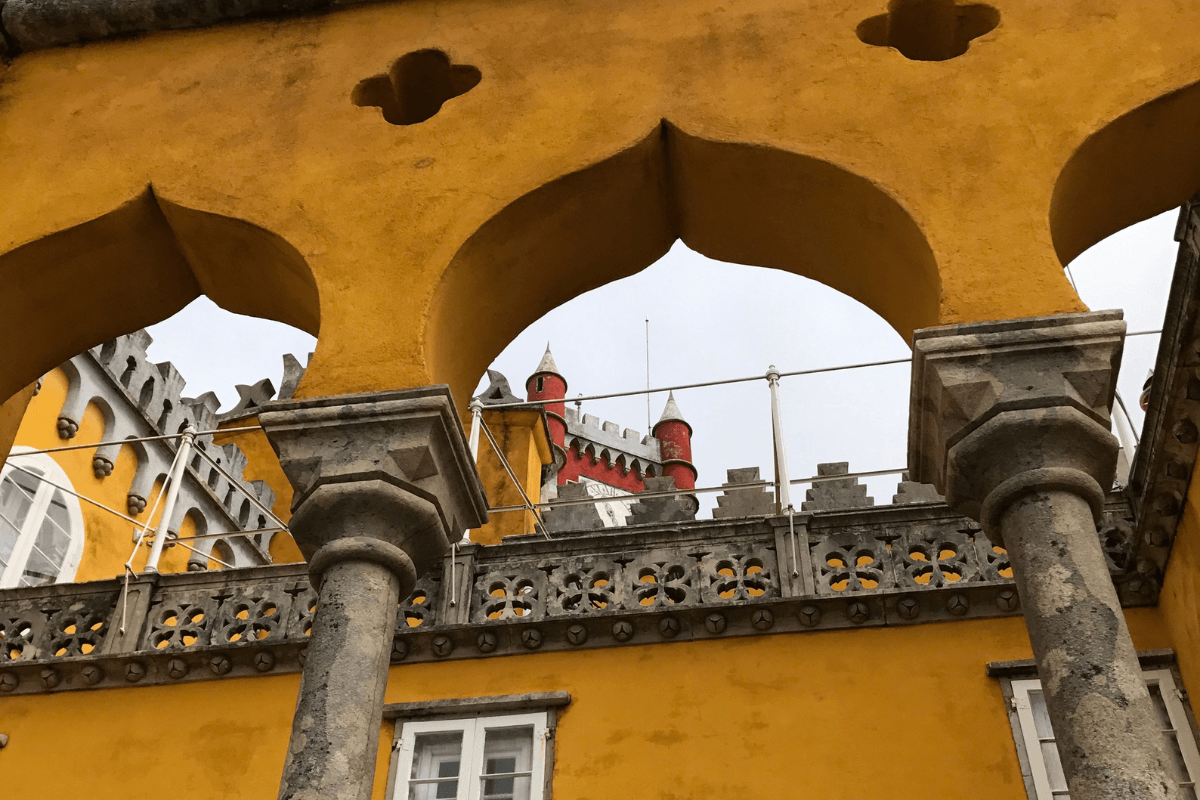
For a first visit, I’d include Pena Palace. It’s the colourful palace you’ll recognise from almost every photograph of Sintra, sitting high above the town. But it becomes far more interesting once you’re actually there and can see the mixture of architectural styles, decorative details, terraces and views across the surrounding hills.
The palace as we know it today was largely the vision of King Ferdinand II, who transformed the remains of an old monastery into an extravagant 19th-century Romantic palace.
Planning ahead matters here. Entry to the palace interior is tied to a specific date and time, and you also need to allow enough time to reach the palace entrance inside the park. I’d book ahead and plan the rest of your Sintra day around that slot but aim to go early. Pena Palace is Sintra’s star attraction and definitely pull in the crowds.
💡 Insider Tip
If you’ve booked Pena Palace for the morning, give yourself plenty of time to get there. You can take the 434 bus from Sintra station up to Pena, but don’t underestimate how long the journey up the hill can take, particularly when Sintra is busy. I’d much rather arrive early than risk missing a timed entry.
Also remember that the time on your ticket is for entry to the palace itself, not the entrance to Pena Park. Once you reach the park, you still need to make your way uphill to the palace, and the official guidance recommends allowing around 30 minutes for this alone. Late arrivals aren’t guaranteed entry, so build in a generous buffer rather than planning everything down to the minute.
I cover the journey from Lisbon, including getting around Sintra once you arrive, in my Lisbon to Sintra guide.
Quinta da Regaleira

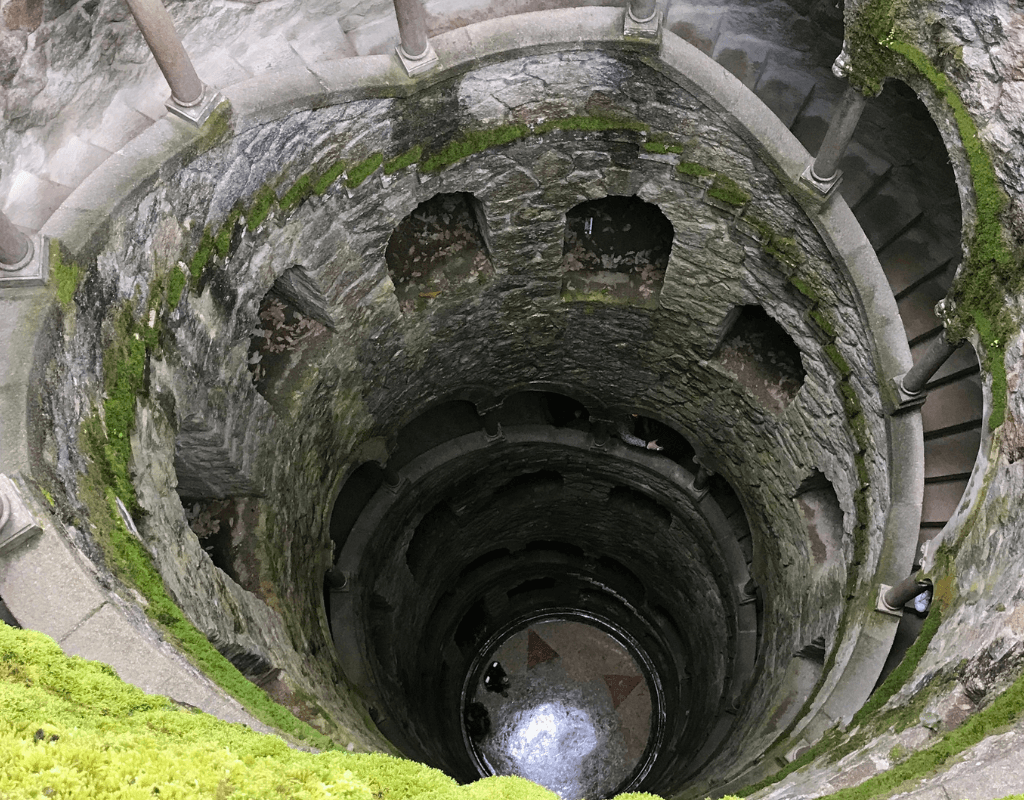
I’d also put Quinta da Regaleira very high on the list, but for completely different reasons. This is less about walking through formal palace rooms and more about exploring an estate filled with symbolism, hidden passages and unexpected details.
The famous Initiation Well is the part most people recognise: a deep, inverted tower with a spiral staircase winding underground. But Regaleira is much more than that one photograph. There are tunnels you can actually walk through, grottoes, towers, fountains and paths twisting through the gardens. Part of the enjoyment is not following the most obvious route and seeing where you end up.
It has a strange, theatrical quality that makes it completely different from Pena.
Monserrate Palace
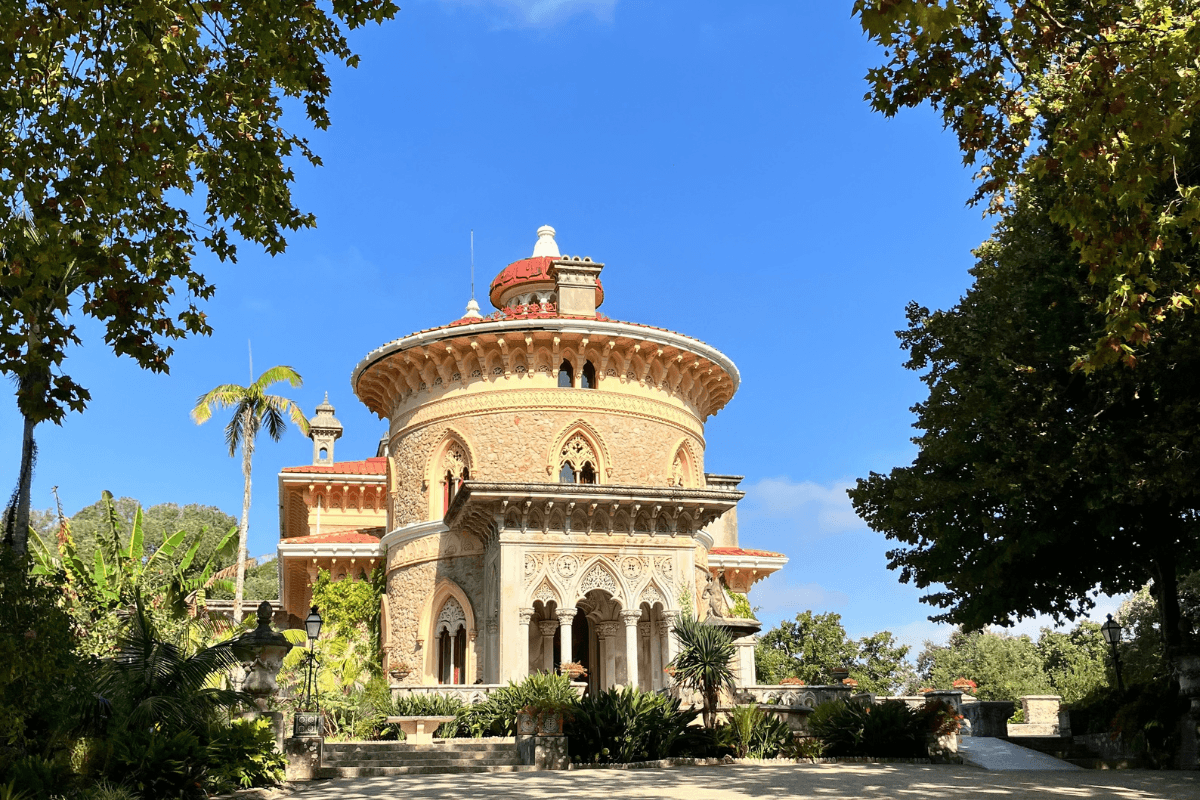
Another favourite of mine is Monserrate Palace, and I think it deserves far more attention than it often gets.
The palace has a completely different feel from Pena, with Gothic, Moorish and Indian influences and incredibly intricate interiors. But I actually think the gardens are just as important as the building itself. They’re extensive, beautifully landscaped and filled with plants from different parts of the world.
It’s somewhere I’d allow time to wander rather than treating the gardens as something you rush through on the way back to the exit.
Current note: restoration work on Monserrate’s roofs is scheduled to continue into the first quarter of 2027. The site remains open, but parts of the palace may have scaffolding and protective covering while the work is underway.
What about the Moorish Castle?
The Castle of the Moors is historically important and its position above Sintra is spectacular, but personally I’d put it below those three for a first visit.
A large part of the experience is walking along the old stone walls and taking in the views across the hills and towards Pena Palace. If you love castles, walking and panoramic viewpoints, it’s certainly worth considering. But there simply isn’t as much to see inside as there is at Pena, Regaleira or Monserrate.
If you only have one day, I wouldn’t squeeze it in just because it appears on every Sintra checklist.
How I’d spend one day in Sintra
For a first trip, I’d probably include Pena Palace plus either Quinta da Regaleira or Monserrate. Choose Regaleira if the tunnels, Initiation Well and mysterious gardens appeal to you. Choose Monserrate if you’d rather have beautiful architecture, extensive gardens and a generally calmer experience.
Then leave yourself some time for Sintra town itself. And don’t underestimate how tiring Sintra can be. It’s hilly, the attractions are spread out and the estates themselves involve plenty of walking. Two major attractions plus time in town is already a very full day.
2. Cascais & Estoril
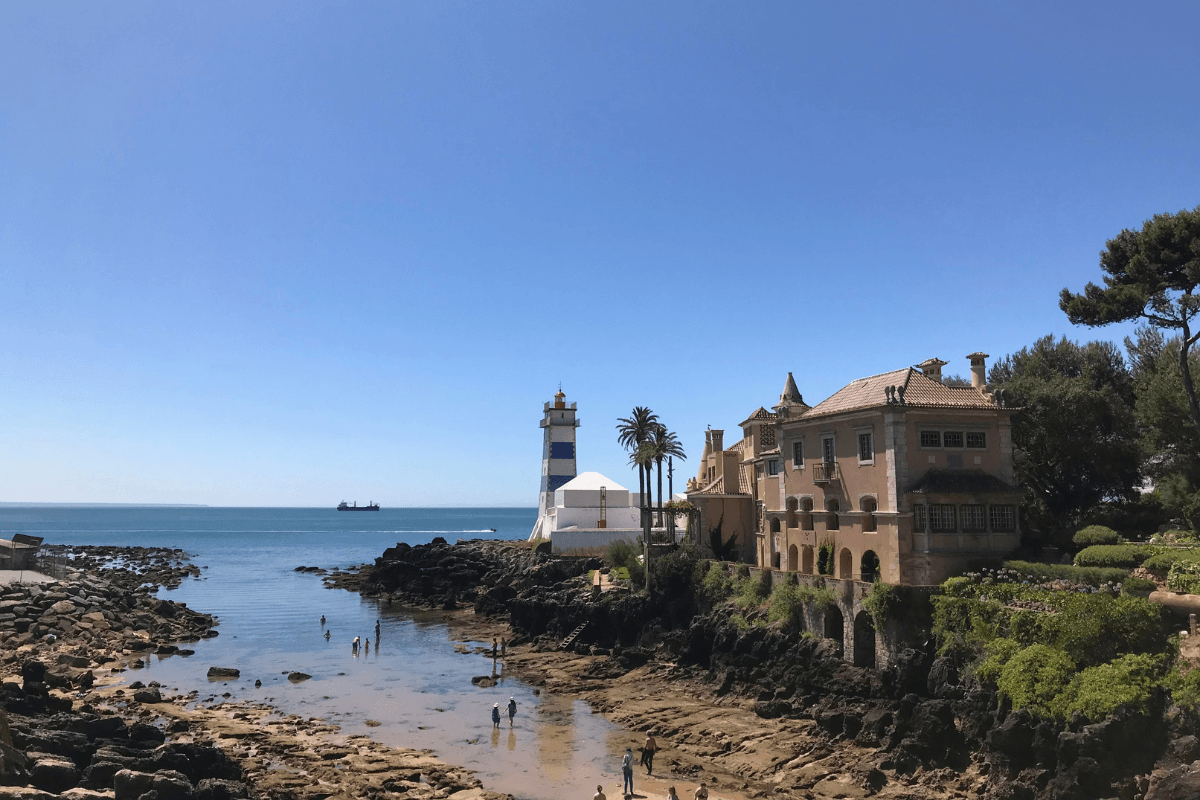
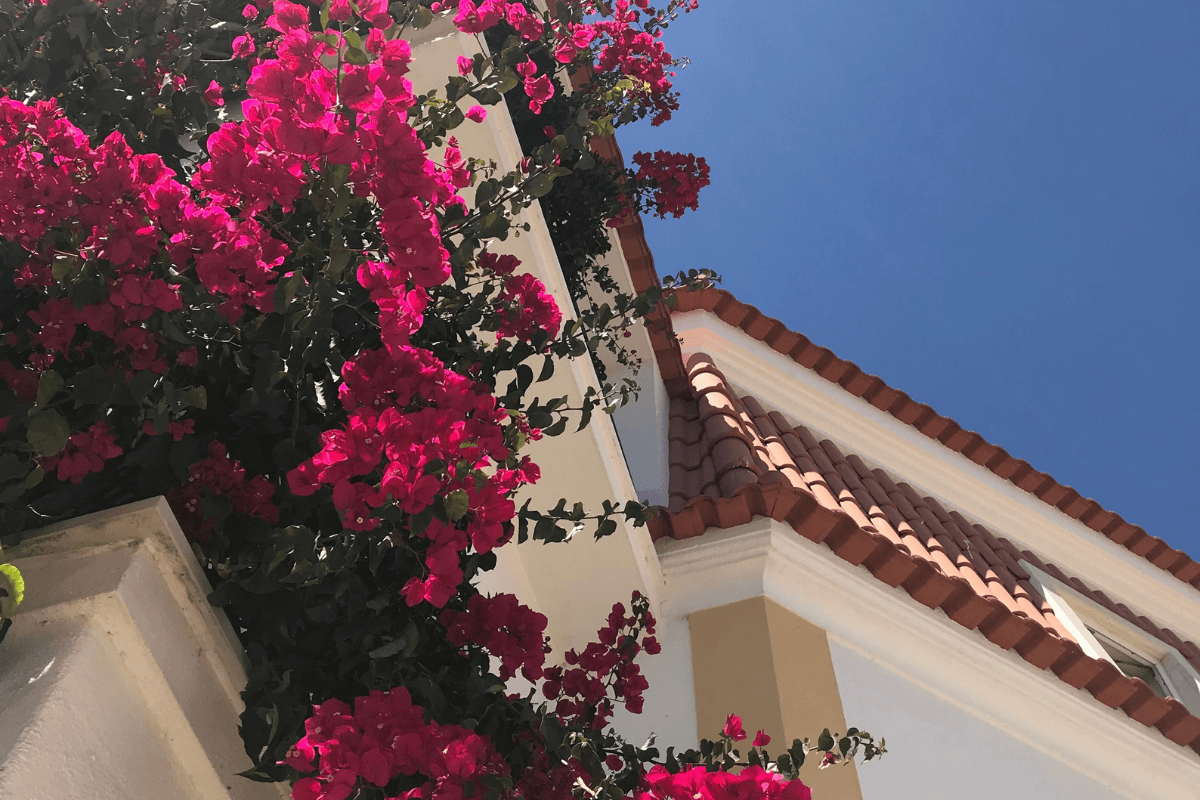
Photo by: Travel-Boo
Best for: An easy coastal day without a car
Car needed? No
Allow: Half a day to a full day
If Sintra is the obvious cultural day trip from Lisbon, Cascais is probably the easiest coastal one.
I’m admittedly a little biased now that I live around this part of the coast, but it was one of my favourite stretches of coastline long before I moved here.
The big advantage is how little planning it requires. You can take the train from Cais do Sodré in Lisbon and follow the Tagus towards the Atlantic, with the railway running beside the coast for much of the journey. Once you reach Cascais, you arrive right in the centre of town.
I’d spend some time wandering through the historic centre before heading towards the waterfront and marina. From there, you can continue on foot towards Boca do Inferno, where the Atlantic has carved into the cliffs just outside town.
Praia da Rainha
One beach I would specifically look out for is Praia da Rainha, right in the heart of Cascais.
It’s a small beach framed by rocks and buildings and has always been one of my favourites in town. It’s certainly not where I’d go if I wanted a huge stretch of sand and lots of space, but it’s incredibly scenic and very easy to include while you’re exploring the centre.
Walk from Cascais towards Estoril
You can also walk from Cascais towards Estoril, and beyond, along the seafront promenade. It’s flat, easy and passes several beaches along the way.
There are plenty of restaurants, cafés and terraces dotted along this stretch too, so you don’t necessarily need to decide on lunch before setting off. Walking part of the promenade and stopping somewhere along the coast for a bite to eat is a great way to spend the afternoon.

Estoril itself is home to Praia do Tamariz and Casino Estoril, and there’s no real need to make it a separate day trip from Cascais.
And what about Guincho?
Praia do Guincho is completely different. Once you get beyond Cascais, the built-up coastline gives way to the much wilder landscape of the Sintra-Cascais Natural Park. Guincho is broad, exposed and often very windy, which is one reason it has become so associated with surfing, windsurfing and kitesurfing.
If you want a gentle swim and a sheltered beach, this probably isn’t where I’d send you first. If you want huge Atlantic scenery, dunes and a coastline that feels dramatically removed from Lisbon, it absolutely is.
For more detail on the journey, see my Lisbon to Cascais guide. If beaches are your main priority, I also have a separate guide to the best beaches in and around Lisbon.
3. Costa da Caparica

Best for: A proper beach day
Car needed? Not for the town; useful for exploring farther south
Allow: Half a day to a full day
If what you actually want from your day trip is a day on the beach, Costa da Caparica deserves to be high on your list.
Cross the Tagus and you have a huge stretch of Atlantic coastline running south from Costa da Caparica towards Fonte da Telha. I’ve been to the beaches around Caparica town as well as several farther down the coast, including Praia da Rainha and Fonte da Telha, and personally I really like Fonte da Telha.
The important thing is that “Costa da Caparica” doesn’t mean one single beach.
Staying around Costa da Caparica town
If you don’t have a car and simply want sand, lunch and a swim, the beaches beside town are the easiest option. They’re also among the busiest, particularly on hot summer weekends.
Going farther south
This is where Caparica gets more interesting for me. Beyond the town, the sand continues south for kilometres, with different beach entrances and concessions giving sections of what is essentially one enormous coastline their individual names.
Praia da Rainha is one I’ve visited and is a good option if you want to explore beyond the town beaches. Then, farther south again, you eventually reach Fonte da Telha.
This is probably where I’d go personally if I had a car and wanted to make a proper beach day of it. The setting feels very different from the busier town beaches, with the fossil cliffs rising behind the sand and a much more open stretch of coastline.
There are plenty of beach bars and restaurants along the Caparica coast, including some increasingly polished beach clubs. I don’t have one particular place I like enough to tell you to cross the coast specifically to eat there, though. I’d choose the beach first and then find somewhere nearby for lunch.
One thing I wouldn’t underestimate is summer traffic and transport. Buses to Costa da Caparica can fill up quickly during the summer season, particularly on hot weekends.
The journey home can be even more unpredictable. Traffic approaching and crossing the 25 de Abril Bridge can become very heavy at the end of a hot beach day, and it’s not uncommon for the return journey into Lisbon to take well over an hour. Don’t plan your evening around an optimistic journey time. Give yourself some breathing room.
4. Óbidos

Best for: Medieval streets and a smaller historic town
Car needed? No
Allow: Half a day, or combine it with another stop
Óbidos is one of my favourite historic towns in Portugal, and although it’s firmly established on the tourist trail, it has enough character that I still think it’s worth visiting.
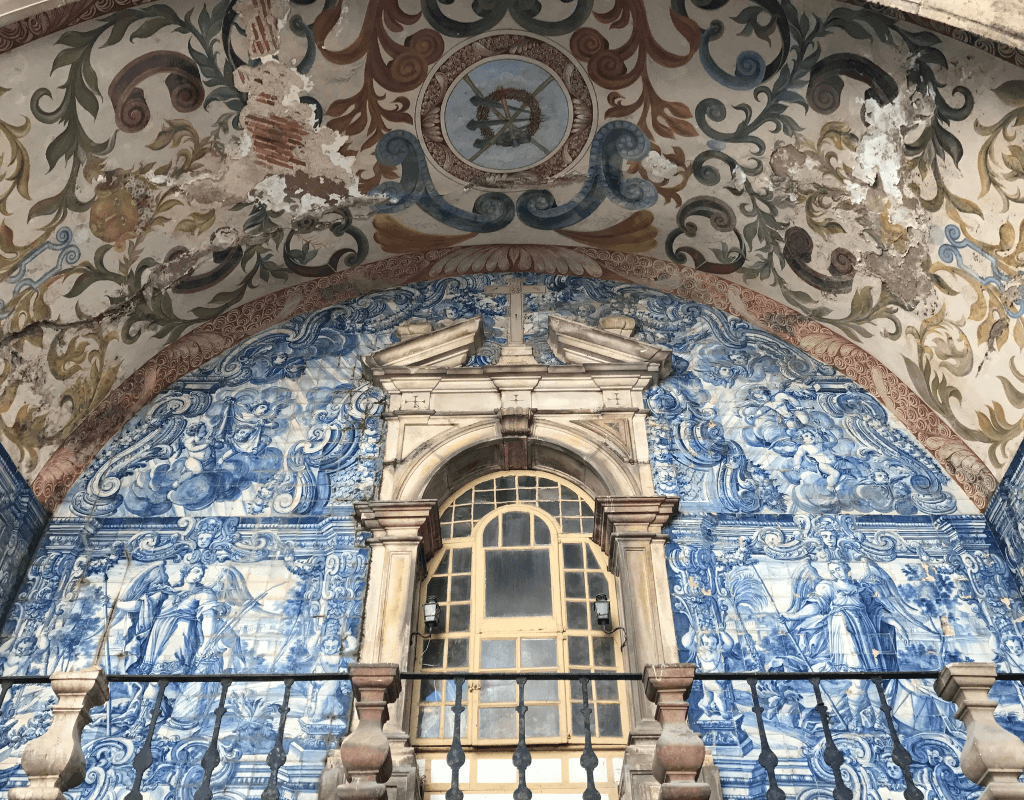
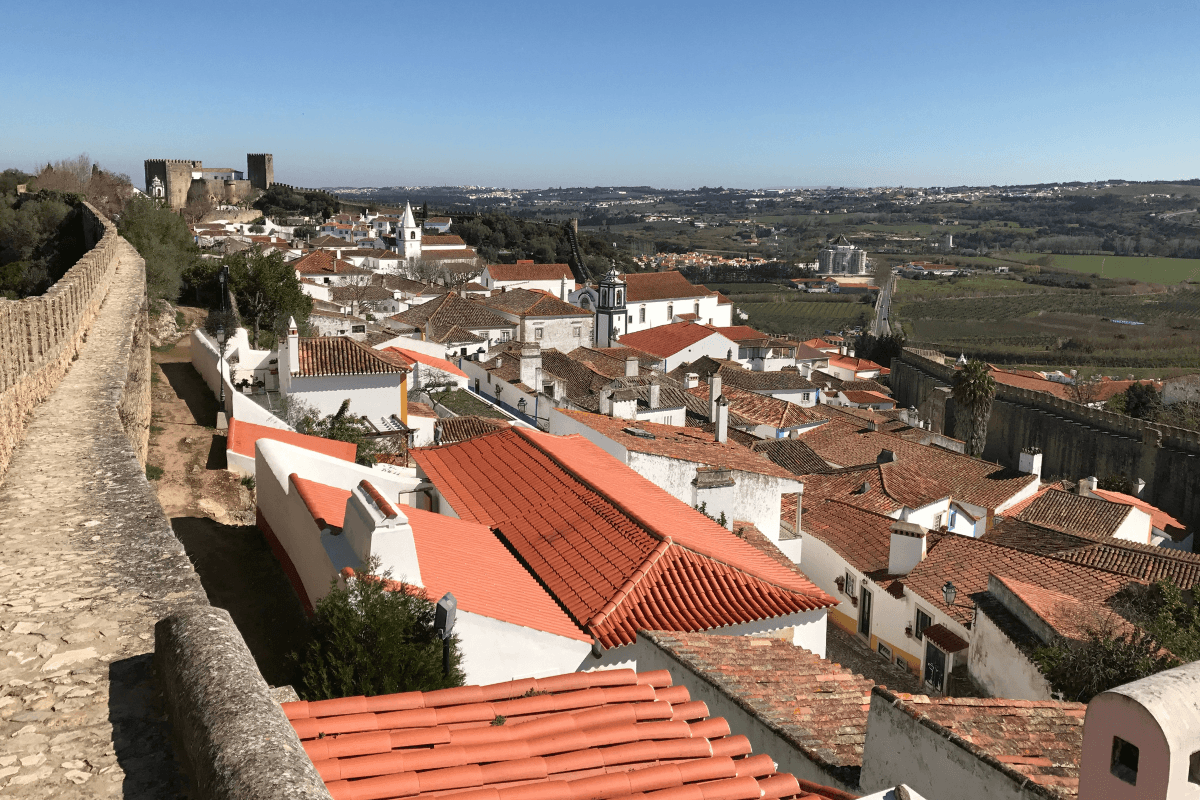
The old town sits within its medieval walls. Once you walk through the tiled Porta da Vila, you’re into a maze of cobbled streets, whitewashed houses and buildings edged in blue and yellow.
Most visitors naturally follow Rua Direita, the main street through town, but don’t only walk up and down that one road. Turn off it. Some of the nicest parts of Óbidos are the quieter side streets where there are far fewer people.
You can also walk along sections of the old walls, which gives you a completely different perspective over the rooftops and surrounding countryside. Just be aware that these are old defensive walls. Parts are narrow, high and don’t have the sort of protective barriers you might expect at a modern attraction.
And yes, you should try ginjinha de Óbidos, the local sour-cherry liqueur, often served in a tiny chocolate cup.
I’ve also visited during Óbidos Vila Natal, when the town transforms for Christmas. It gets very busy, but if you’re travelling with children or visiting Portugal in December, it gives you a completely different reason to come.
Does Óbidos need a full day?
Probably not for most people. That’s actually one of its strengths. You can spend several relaxed hours here without feeling that you’ve abandoned half the town when you leave.
If you’re driving, it can work well as part of a longer day towards the Silver Coast. It’s also commonly combined with places such as Nazaré, Batalha or Fátima on organised tours.
If you’re going independently, see my Lisbon to Óbidos guide for the transport options.
5. Ericeira
Best for: Surf culture, seafood and a relaxed coastal town
Car needed? No
Allow: Half a day to a full day
Ericeira is somewhere I’ve been several times, and I’ve watched it change quite noticeably.
At heart, it’s an old Portuguese fishing town sitting on the cliffs above the Atlantic. It’s also one of Europe’s major surfing destinations, with a stretch of coastline recognised as a World Surfing Reserve.
Over the last few years it has also become increasingly popular with expats, remote workers and international visitors. That has brought some great restaurants, coffee shops and businesses with it, but I do think Ericeira is slowly losing a little of the very local neighbourhood feel it used to have.
I still really enjoy it.

What I’d actually do in Ericeira
Don’t arrive expecting a checklist of major monuments. That’s not really the point.
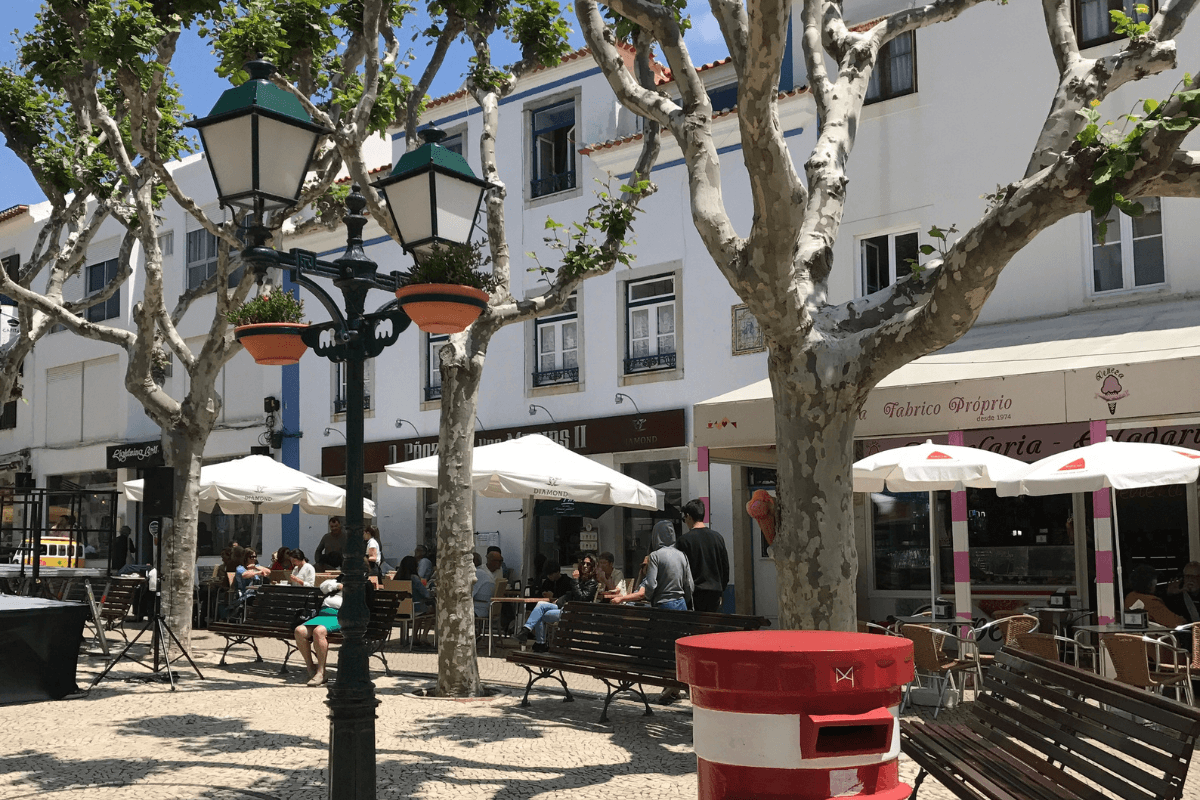
I’d walk through the old centre, wander around the small squares and narrow streets, head down towards the sea and stop somewhere for a long lunch. This is a fishing town, so seafood and fresh fish are an obvious choice.
Then spend some time around the coast. If you’re interested in surfing, Ribeira d’Ilhas is one of the internationally known beaches north of town. If you’re not, that’s completely fine. Ericeira works just as well as somewhere to walk, eat and spend a few hours beside the Atlantic.
That’s also why I think it deserves its own entry rather than being treated as an afterthought to Mafra. You can combine the two, and I have done that myself, but they’re completely different experiences.
Mafra is somewhere you go primarily to see an extraordinary monument. Ericeira is somewhere you go to spend time in the town.
6. Mafra


Best for: Portuguese royal history and one extraordinary palace
Car needed? No
Allow: Half a day
The reason to go to Mafra is fairly straightforward: the National Palace of Mafra.
And it’s worth going for.
The enormous 18th-century complex brings together a royal palace, basilica and convent, and its scale is difficult to appreciate until you’re standing in front of it.
I’ve visited Mafra myself, and the highlight for me was easily the library.
It’s an extraordinary room: long, symmetrical and lined with thousands upon thousands of historic books. It’s one of those spaces where I remember walking in and immediately thinking, okay, this alone was worth coming for.
One of the more unusual details associated with the library is its bats, which have traditionally helped protect the collection by eating insects that could otherwise damage the books. It’s exactly the sort of slightly bizarre historical detail that makes the place memorable rather than simply another ornate European palace.
Mafra or Sintra?
I wouldn’t really compare them. If you’ve never visited Sintra, I’d still go there first.
But Mafra is a much more focused day. You’re not trying to navigate between multiple palaces scattered across hills. You come primarily for one monumental complex, explore it properly, have lunch and perhaps continue to Ericeira afterwards.
I’ve done Mafra in the morning followed by Ericeira for lunch and the afternoon, and that combination works very well. But if you’re particularly interested in architecture or history, I wouldn’t rush through the palace simply because the sea is waiting nearby.
7. Setúbal & Arrábida

Best for: Seafood, hiking and clear-water beaches
Car needed? Strongly recommended for Arrábida
Allow: A full day
Cross south of Lisbon and head towards Setúbal and you’re moving into a landscape of mountains, vineyards, fishing towns and beaches that deserves much more than a rushed drive-through.
I’ve visited Setúbal several times and have also hiked in Arrábida, and if you have access to a car, I think this is one of the most rewarding areas around Lisbon to explore.
Start with Setúbal
Setúbal isn’t a manicured resort town, although it does have some beautiful architecture, and that’s part of what I like about it. It’s a real working Portuguese city with a strong fishing tradition. If you’re coming for lunch, the local dish you’ll see everywhere is choco frito (fried cuttlefish).
The city also has Mercado do Livramento, which is worth visiting if you’re there while it’s open, particularly if you enjoy Portuguese food markets.

Then head into Arrábida
The Serra da Arrábida rises directly beside the sea between Setúbal and Sesimbra, with dense green vegetation and pale limestone slopes dropping towards the water. I’ve hiked here before, and this is one of those areas where the landscape makes far more sense once you’re actually in it.
There are several beaches tucked beneath the mountains, including Portinho da Arrábida, Galápos and Galapinhos, and they look very different from the broad Atlantic beaches around Caparica or Guincho. Here you have smaller bays, pale sand and remarkably clear blue-green water.
Galapinhos became particularly well known after travellers voting through European Best Destinations selected it as the best beach in Europe in 2017. The publicity means it is hardly a secret, but this stretch of coastline remains one of the major reasons to explore Arrábida.
Access is something to check before you go, especially in summer, because seasonal traffic and access arrangements can change within the protected natural park.
This is also why I’d strongly prefer having a car for the wider area. You can easily reach Setúbal without one. Exploring Arrábida itself, particularly if you want to move between viewpoints, walking areas and beaches, is another matter.
And I wouldn’t try to bolt Palmela, Azeitão, Sesimbra and Tróia onto the same day just because they’re all on the same side of Lisbon. Give this area some room.
8. Sesimbra & Cabo Espichel

Best for: Seafood, beach time and a dramatic Atlantic headland
Car needed? Recommended for the full trip
Allow: A full day
I’ve actually stayed overnight in Sesimbra, and I think spending more time there helped me appreciate it as something more than another beach stop south of Lisbon.
The town sits directly on the water, backed by hills and overlooked by its castle. There’s a proper fishing tradition here, which means seafood isn’t simply something added for tourists. It’s part of the town’s identity.
If I were visiting for the day, I’d walk along the waterfront, have a seafood lunch and leave some time for the beach. Praia do Ouro and Praia da Califórnia sit directly beside the town, so you can combine exploring and beach time without needing to drive somewhere else.
Go up to Sesimbra Castle
I’d also make the trip up to Sesimbra Castle. The elevated position gives you a much better understanding of where the town sits between the hills and sea, and the views alone make it worth going up.
Make the trip to Praia do Ribeiro do Cavalo
If you’re visiting Sesimbra in warmer weather, there’s another place I’d seriously consider adding: Praia do Ribeiro do Cavalo.
I’ve been there myself, and it’s a beautiful little cove west of Sesimbra with clear turquoise water, pale sand and high cliffs around it.
There are two very different ways to reach it. You can hike down to the beach, which is part of the adventure. The trail descends quite steeply towards the water, though, so remember that whatever you walk down, you’re going to have to climb back up afterwards. Wear proper shoes and take enough water.
Or do what we’ve done and take a small boat from Sesimbra harbour. Local boat operators run short trips along the coast, and Ribeiro do Cavalo is close enough that getting there by boat is quick and easy. It’s also a lovely excuse to get out onto the water and see this part of the coastline from a completely different perspective.
Then continue to Cabo Espichel
If you have a car, this is where I’d extend the day. Cabo Espichel feels much wilder. The sanctuary stands close to an enormous Atlantic headland, with cliffs dropping towards the ocean and very little around it.
It gives you a completely different experience from sitting on Sesimbra’s waterfront a few hours earlier, which is why the combination works so well.
9. Palmela & Azeitão
Best for: Wine, countryside and Palmela Castle
Car needed? Recommended
Allow: Half a day to a full day
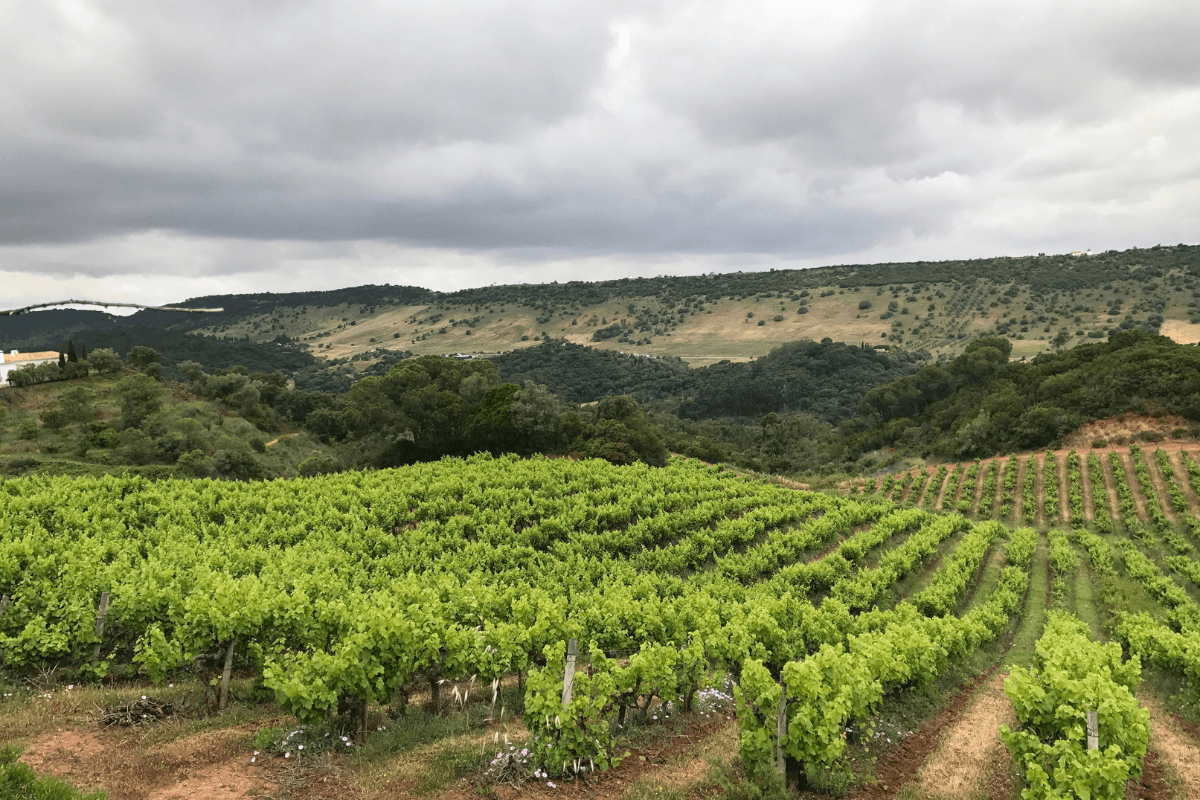
If you want to see more of the countryside south of Lisbon rather than spend another day beside the beach, Palmela and Azeitão make a good combination.
I’ve visited Palmela, and the reason I’d absolutely include it is Palmela Castle. The castle occupies a fantastic position high above the surrounding landscape, and the views stretch for miles across the Setúbal Peninsula.
It’s the sort of place where the setting is at least as important as the monument itself.
I also have a particularly good food memory from Palmela. O Bobo da Corte is within the castle grounds, and we had one of our most memorable meals in Portugal there. It gets booked up, so if you specifically want to eat there, I’d make a reservation rather than simply turning up and hoping for a table.
Add Azeitão for wine and food
Nearby Azeitão gives you a completely different reason to visit the region. This is wine country, particularly associated with Moscatel de Setúbal, and it’s also the home of Queijo de Azeitão, the soft local cheese.
I haven’t explored Azeitão’s wineries personally enough to pretend I have a favourite producer that everyone needs to visit. So if wine tasting is the main reason you’re going, I’d choose a winery based on the experience you actually want and book ahead rather than blindly following a list of “top five” estates.
For me, the strength of this day trip is the combination: castle and views in Palmela, then wine, food and countryside around Azeitão.
10. Évora
Best for: History, Alentejo food and architecture
Car needed? No
Allow: A full day
Évora is one of the longer day trips from Lisbon, but it’s also one I’d readily make the extra journey for.
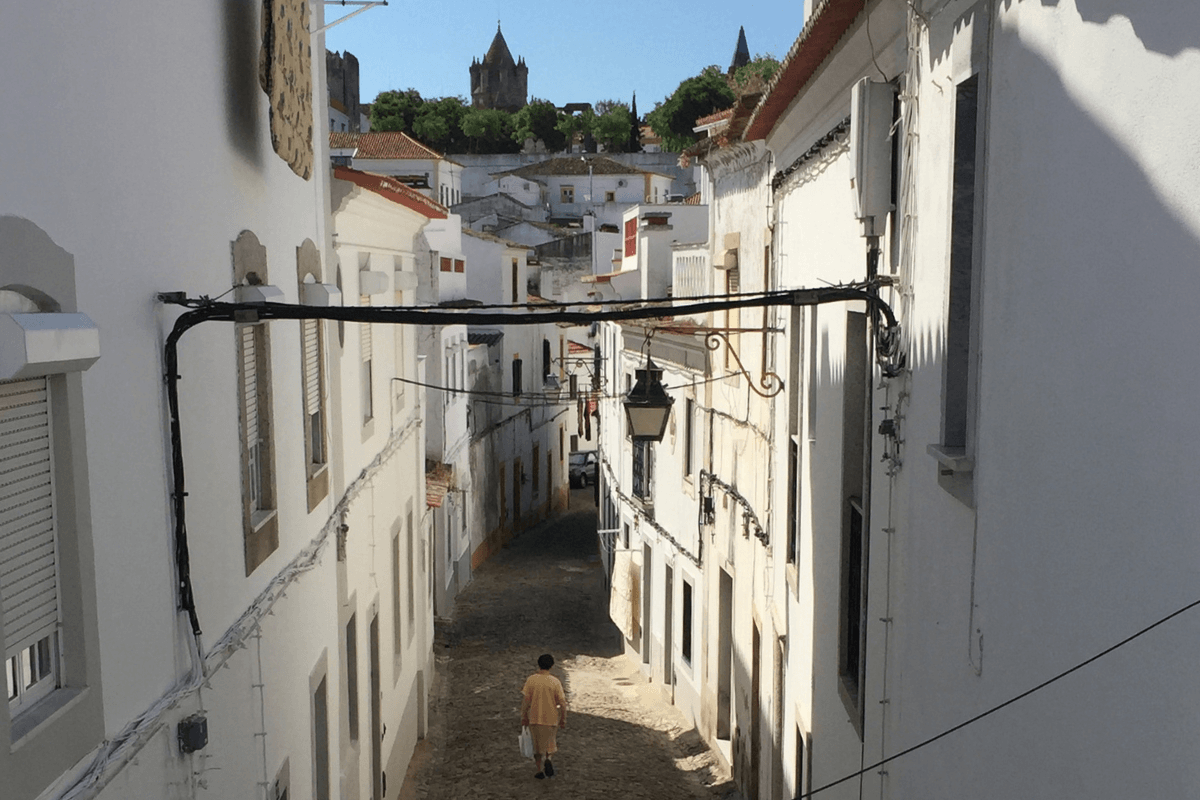
I’ve visited two or three times, and the historic centre is one of my favourites in Portugal. Évora is an old walled city, with centuries of architecture packed into a relatively compact centre. Its narrow streets, whitewashed buildings, yellow detailing, churches, courtyards and old city gates give it that unmistakable Alentejo character.
If you’re driving from Lisbon, I wouldn’t bother trying to navigate the car through the old centre. Some streets are extremely narrow and parts of the centre are pedestrianised. There are parking areas around and outside the historic centre, including peripheral car parks, so I’d park there and explore on foot.
Praça do Giraldo and the historic centre
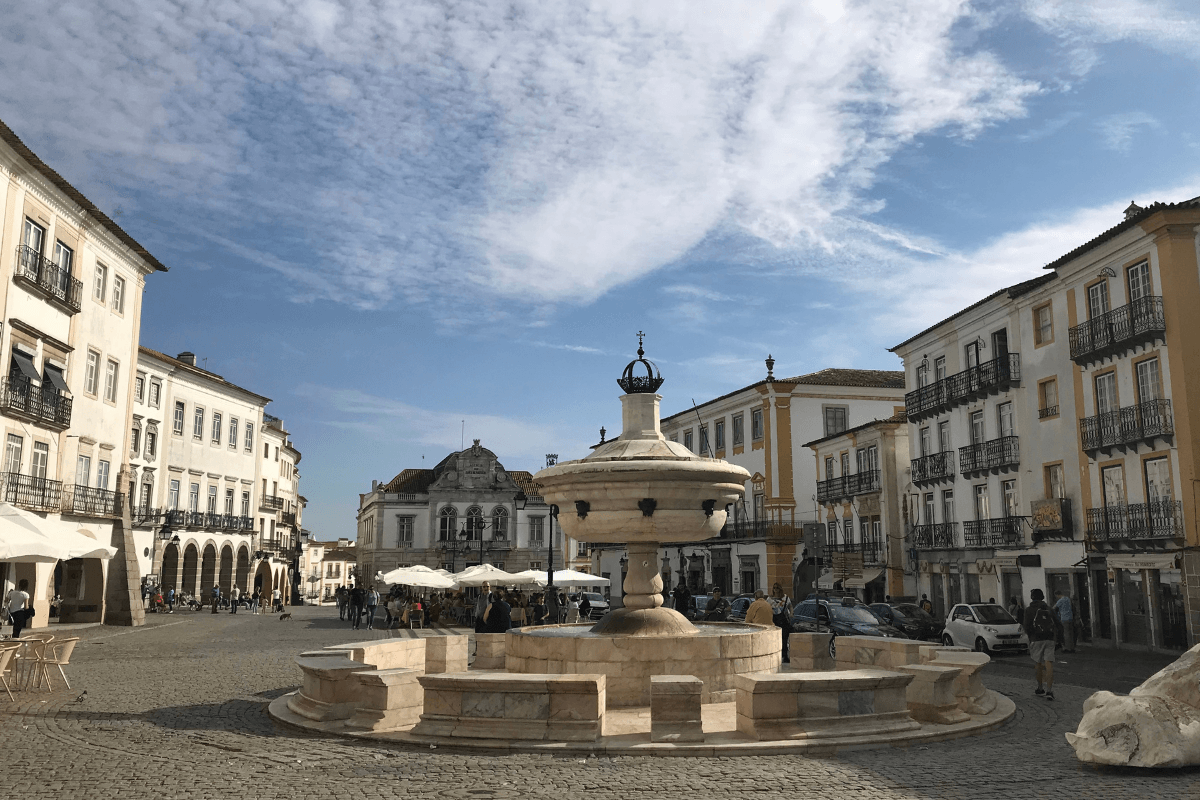
Praça do Giraldo is the main square and a natural reference point as you explore. From there, streets branch through the old centre towards the cathedral, churches and different sections of the walls.
I wouldn’t over-plan the route. Part of what I enjoy about Évora is walking through the old streets and discovering the smaller squares and buildings between the headline sights.
The Roman Temple
The Roman Temple of Évora stands close to the cathedral in the higher part of the historic centre. Dating back to the Roman period, it’s one of the city’s most recognisable landmarks and a reminder of just how many layers of history sit within Évora’s walls.
Capela dos Ossos
The place that has always stayed with me most is the Capela dos Ossos (Chapel of Bones), inside the Church of São Francisco.
It’s actually not a particularly large chapel, but the walls and columns are covered with human bones and skulls.
It sounds incredibly macabre, and visually it is, but that wasn’t really how I experienced it. I actually found the chapel surprisingly serene and calming. It was created as a reflection on mortality, and once you’re inside, that comes across much more strongly than the slightly sensational “chapel covered in bones” description you often see online.
And definitely make time to eat
Évora is also somewhere I’d make time for a proper lunch.
One restaurant I’ve personally eaten at is Cozinha da Catarina, where I had fantastic slow-cooked black pork cheeks. Rich, slow-cooked pork dishes like this are very much at home in Alentejo cuisine, but there are plenty of excellent restaurants throughout Évora, so I wouldn’t build your entire day around eating at one particular place.
If you’re travelling independently, my Lisbon to Évora guide covers the journey in more detail.
Staying longer in the Alentejo
If you have the time, I would seriously consider staying overnight, particularly if Évora is the beginning of a broader exploration of the Alentejo rather than simply a return trip from Lisbon.
Having a car opens up considerably more of the region and removes the pressure of having to race back to Lisbon at the end of the afternoon.
If you do want to explore farther into the Alentejo, one place I highly recommend is Monsaraz.
The tiny fortified hilltop village overlooks the plains surrounding Alqueva and is beautiful in its own right. I particularly remember being there around sunset with friends, sitting on the castle wall and watching the sun disappear across the landscape. It was one of those simple travel moments that has really stayed with me.
That’s why I’d rather suggest Monsaraz as part of a wider Alentejo trip than casually tell someone to squeeze it onto an already full day in Évora.
11. Tomar
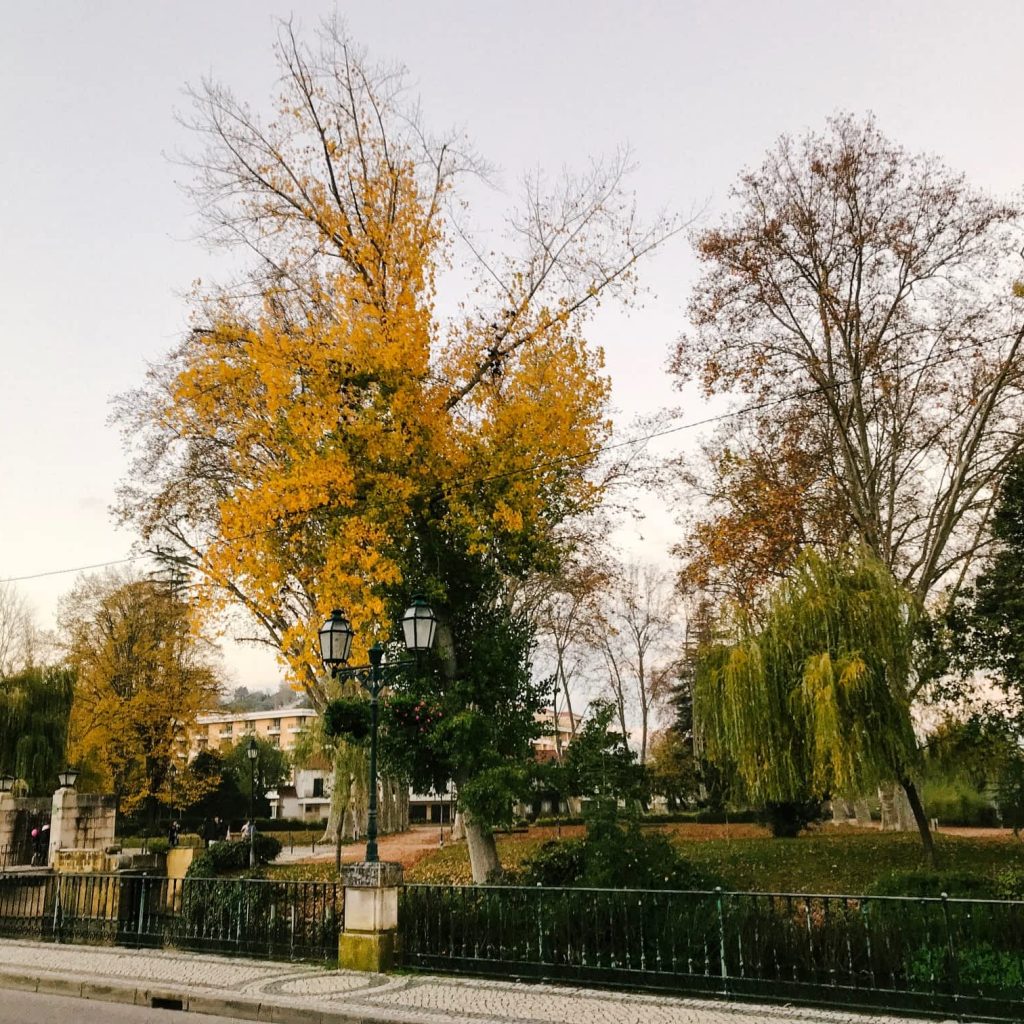
Best for: Templar history and one of Portugal’s most fascinating monuments
Car needed? No
Allow: A full day
Tomar is one of those trips I remember partly because we didn’t even know we were going there that morning.
A friend and I had spontaneously rented a car and couldn’t decide what to do with the day. Somehow the choice came down to Tomar or the Moinhos Velhos caves, so we wrote the names down, put them in a hat and let chance decide.
Tomar won.
And I’m very glad it did.
Convent of Christ
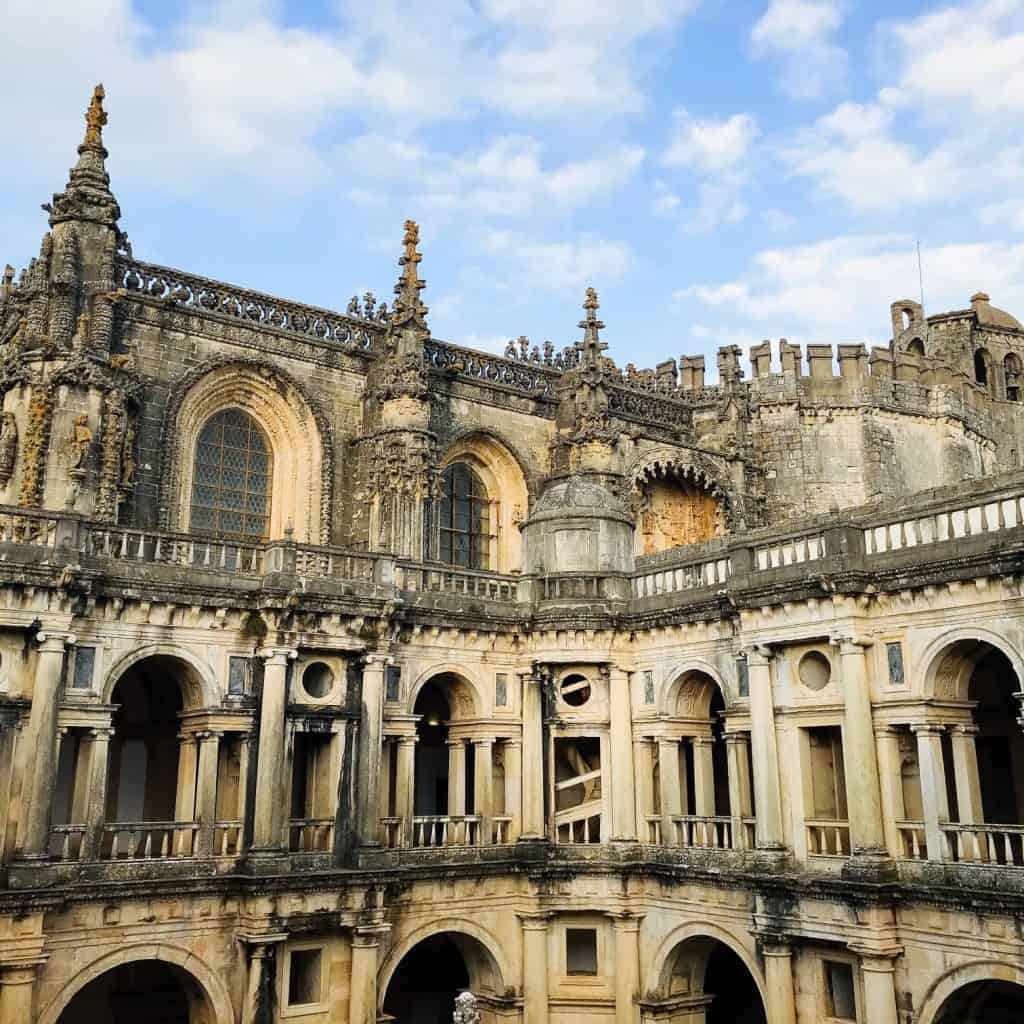
The main reason to come is the Convent of Christ, which sits above the town within the old Templar castle.
Tomar was a former seat of the Knights Templar in Portugal, and the oldest parts of the complex date back to the 12th century. Later generations continued adding to the convent, particularly under the Order of Christ, leaving you with a building that spans several periods of Portuguese history rather than one neat architectural moment.
This is not somewhere I’d race through. The complex is large, and there are cloisters, corridors, chapels and architectural details that reward taking your time.
Don’t skip Tomar itself
We also had lunch at Taverna Antiqua, which leans enthusiastically into Tomar’s medieval history. Yes, it’s themed. But it was memorable, fun and fitted the day perfectly.
After the convent, spend some time walking through Tomar itself rather than immediately heading back to Lisbon. The Nabão River runs through town and the historic centre is compact enough to explore on foot.
If your trip coincides with the Festa dos Tabuleiros
There’s another very good reason to visit Tomar if your timing happens to line up with it. The Festa dos Tabuleiros (Festival of the Trays) takes place only once every four years and is one of Tomar’s major traditional celebrations.
The next festival is scheduled for 3–12 July 2027. The city fills with decorated streets, processions and the extraordinary tabuleiros themselves: tall ceremonial trays carried through the streets as part of celebrations connected to the Holy Spirit tradition.
If your Portugal trip happens to coincide with a festival year, I’d absolutely factor that into deciding when to visit Tomar.
12. Fátima

Best for: Pilgrimage, Catholic history and religious travel
Car needed? No
Allow: Half a day, or combine it with another destination
Fátima needs a slightly different explanation because whether I’d recommend it depends almost entirely on why you’re travelling.
The city is home to the Sanctuary of Fátima, one of the world’s major Catholic pilgrimage destinations, connected to the reported Marian apparitions witnessed by three shepherd children in 1917.
For Catholic visitors, or anyone travelling specifically because of the site’s religious significance, this may be one of the most important places in Portugal.
If that’s not your interest, I wouldn’t automatically put Fátima into your itinerary simply because so many organised tours do. This isn’t somewhere I’d choose over Évora, Sintra or Arrábida purely as a general sightseeing day.
Getting to Fátima from Lisbon
One practical point is worth knowing before you plan the journey. Although there is a railway station called Fátima, it isn’t actually in Fátima itself or within easy walking distance of the sanctuary.
For most visitors travelling independently from Lisbon, taking a direct coach to Fátima is therefore much more convenient than travelling by train.
This is also one destination where an organised tour can make genuine logistical sense, particularly if you want to combine Fátima, Batalha, Nazaré and Óbidos in one day.
13. Tróia

Best for: Beaches and a slower summer day
Car needed? Not necessarily if you travel through Setúbal
Allow: A full day
Tróia is probably the least conventional day trip on this list, but I wanted to include it because I’ve actually done the journey from Setúbal and it offers something quite different.
The Tróia Peninsula is a long, narrow strip of land separating the Sado Estuary from the Atlantic, with broad sandy beaches running along much of it.
I’ve taken the ferry across from Setúbal, and I think that journey is part of the appeal. You’re leaving a working Portuguese city behind and crossing the Sado before arriving somewhere that feels far more like a beach escape.
Tróia isn’t somewhere I’d visit with a packed sightseeing itinerary. The reason to come is really the setting: the beaches, the Sado Estuary, the ferry journey and the chance to spend a slower day beside the water.
If you’ve already spent several days walking around Lisbon’s museums, churches and historic neighbourhoods, that change of pace can be exactly what you want.
Is Tróia worth choosing over Costa da Caparica?
It depends what you want. If you simply want the easiest possible beach day from Lisbon, I’d choose Costa da Caparica.
If you want to make more of a day of the journey, perhaps have lunch in Setúbal, take the ferry and then spend the afternoon beside the water, Tróia becomes much more interesting.
It’s also somewhere I’d consider as part of an overnight stay around Setúbal or the peninsula rather than forcing everything into one day.
Do you need a car for day trips from Lisbon?
Definitely not for all of them.
For Sintra, Cascais, Estoril, Ericeira, Mafra, Óbidos, Évora and Fátima, I wouldn’t rent a car purely because you want to visit.
In some cases, public transport is actually preferable. Sintra is the clearest example: private-car access to Pena is restricted, and dealing with traffic and parking can create more problems than it solves.
Where I think a car becomes genuinely worthwhile is when you’re exploring south of Lisbon or farther into the countryside. Arrábida is the clearest example. Having your own transport gives you far more freedom to move between the mountains, viewpoints, beaches and surrounding towns.
The same applies if you want to combine Palmela and Azeitão, reach Cabo Espichel from Sesimbra or continue beyond Évora into the Alentejo.
There’s also a simpler reason to rent one: freedom and flexibility. You’re not tied to train and bus timetables, you can change plans during the day, stop somewhere you hadn’t intended to visit and stay longer when you find somewhere you particularly like.
Planning to rent a car?
If you want the flexibility to explore Arrábida, Palmela, Azeitão, Cabo Espichel or more of the Alentejo, it’s worth comparing rental options before you travel.
Can you visit Sintra and Cascais in the same day?
Yes. Whether you should depends on what you want from Sintra.
You’ll find countless tours combining Sintra, Cabo da Roca and Cascais, and geographically the route makes perfect sense.
If your priority is seeing several different places and getting a taste of each, it’s a good combination.
If you’re excited about Pena Palace, Quinta da Regaleira and Monserrate, I wouldn’t do it. Sintra can easily fill an entire day by itself, and trying to visit two or three major palaces before racing towards Cascais turns what should be one of the highlights of your trip into a timetable.
I’d rather spend one good day in Sintra and visit Cascais separately.
Which day trips work well together?
Some combinations make much more sense than others.
- Mafra + Ericeira: This is one I’ve done myself. Visit the palace in the morning, then continue to Ericeira for lunch and the afternoon.
- Setúbal + Arrábida: Particularly good with a car, combining Setúbal’s food and city atmosphere with the scenery of the natural park.
- Palmela + Azeitão: A natural pairing if you want Palmela Castle followed by wine, food and countryside.
- Sesimbra + Cabo Espichel: A seaside town followed by a much wilder Atlantic headland.
What I wouldn’t do is treat the Setúbal Peninsula like a checklist and attempt Setúbal, Tróia, Arrábida, Azeitão, Palmela, Sesimbra and Cabo Espichel in one heroic day. They’re close enough on a map to make that look reasonable. It wouldn’t be a day I’d particularly enjoy.
Are organised day tours from Lisbon worth it?
For some trips, yes. For others, I’d save the money.
I wouldn’t personally book a tour simply to visit Cascais. The train from Lisbon is straightforward, you arrive right in the centre of town, and part of the pleasure is being able to explore at your own pace.
Sintra is different. You can absolutely do it independently, but a good tour becomes useful if you’re trying to combine Sintra with Cabo da Roca and Cascais without figuring out all the transport yourself.
Tours can also make sense for Arrábida, particularly if you don’t want to rent a car, and for longer multi-stop itineraries combining places such as Fátima, Batalha, Nazaré and Óbidos.
My rule would be simple: book the tour when it solves a logistical problem or gives you something you couldn’t easily organise yourself.
How I’d choose your day trip from Lisbon
If this is your first trip to Lisbon and you only have one spare day, I’d still start with Sintra.
If you’ve already done Sintra or you want something much easier, take the train to Cascais.
For a summer beach day, I’d head south to Costa da Caparica, and if I had a car I’d probably continue towards Fonte da Telha.
If food and scenery are the priority, I’d choose Setúbal and Arrábida. For history and somewhere that gives you a taste of the Alentejo, I’d go farther and spend the day in Évora.
And once you’ve already visited the headline destinations, that’s when places like Ericeira, Mafra, Tomar, Palmela and Sesimbra become particularly interesting.
There is an enormous amount within day-trip distance of Lisbon, and the right choice depends far more on what you actually want to do with the day than which destination appears most often on a list of Lisbon attractions.
If you’re still planning how to divide your time in the city itself, you may also find my 3 days in Lisbon itinerary, one day in Lisbon guide, Lisbon public transport guide and where to stay in Lisbon guide useful.

