
Portugal in November: Weather, Where to Go & What to Expect
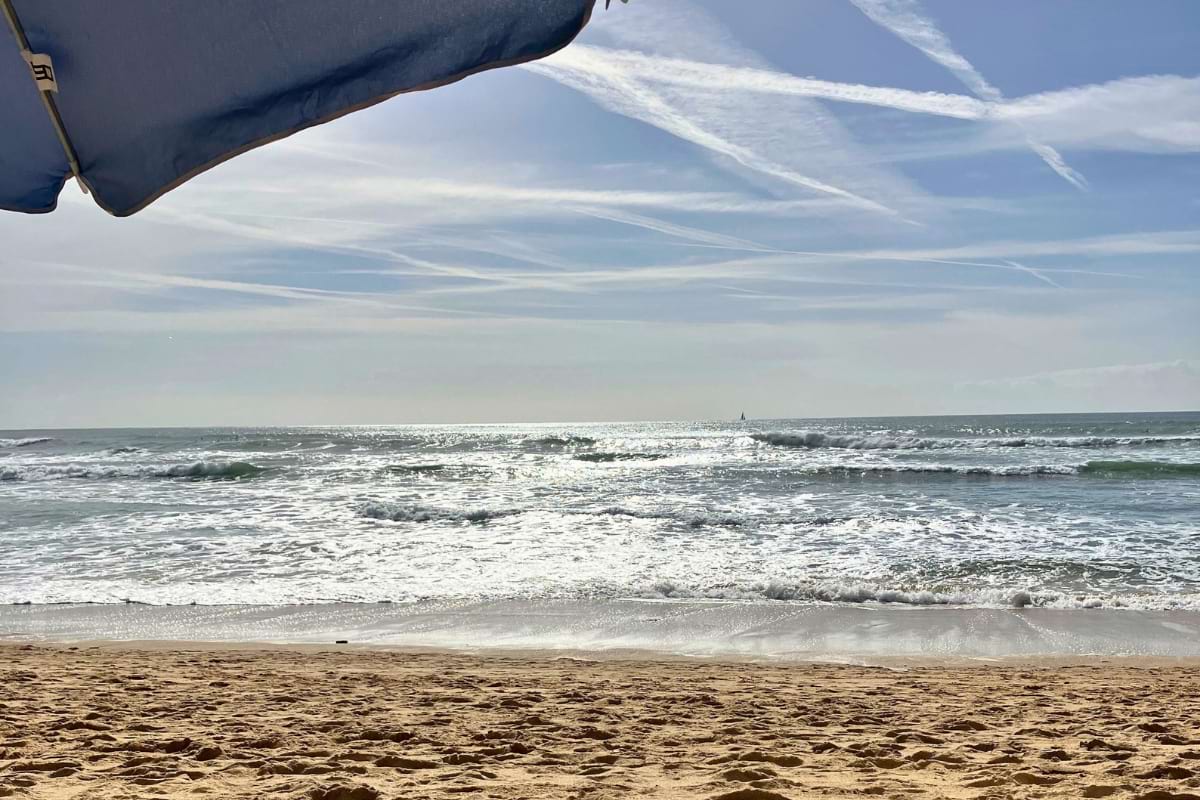
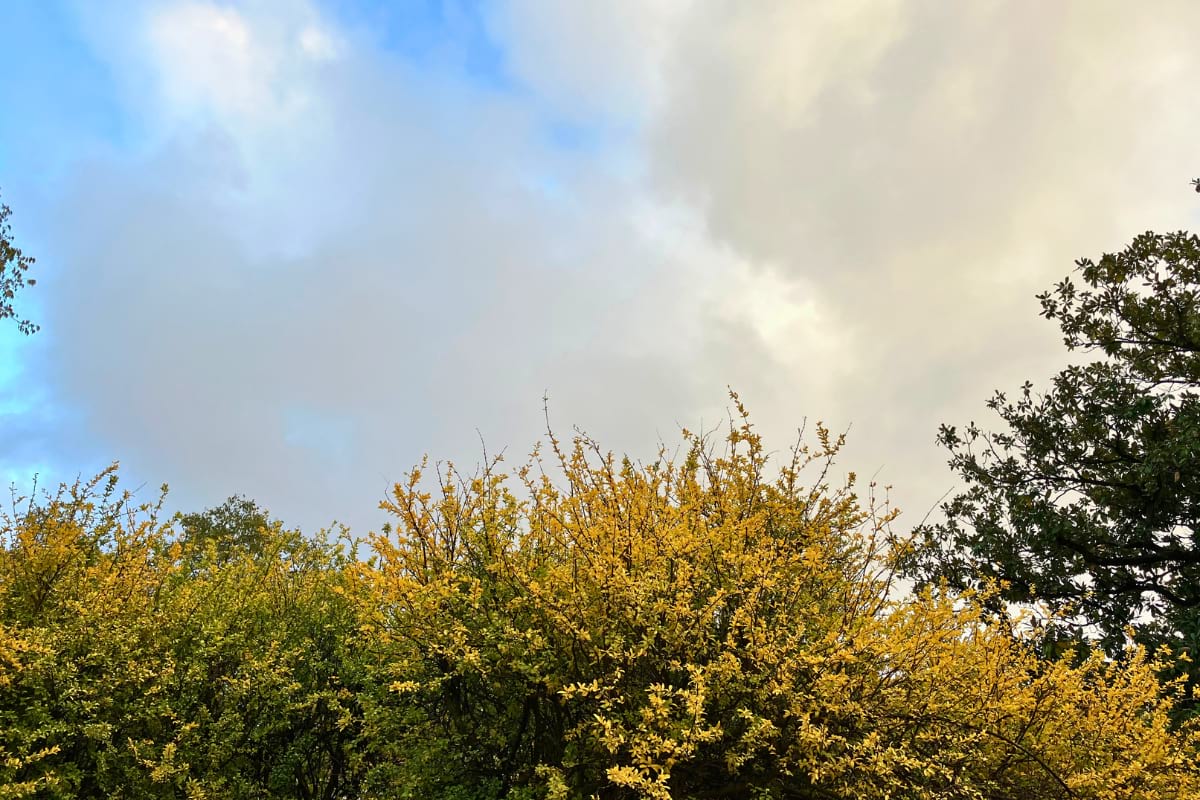
November is when autumn really starts to show itself in Portugal. The leaves have turned, Lisbon’s pavements are scattered with yellow and brown, and the roasted chestnut carts start appearing on street corners — always one of those little signs that Christmas is around the corner.
I’ve lived in Portugal for close to ten years now, first in Lisbon and now along the coast near Cascais, and November is one of those months that can surprise you. We still get beautifully bright days when sitting outside for lunch is perfectly pleasant, but you can just as easily wake up to rain blowing in from the Atlantic.
That unpredictability is really the point. Portugal in November is not beach-holiday weather, but neither does the country shut down for winter. Lisbon and Porto are very much alive, the Algarve is quieter but still works if you choose your base carefully, and Madeira is warmer again.
The biggest difference is regional. Porto is considerably wetter than the Algarve, while Madeira can still reach the low 20s Celsius. So rather than relying on one vague national forecast, this guide looks at what November is actually like across Portugal — and where I’d go depending on the kind of trip you’re planning.
This post contains affiliate links. If you book through some of the links below, I may earn a small commission at no extra cost to you. This helps support Travel-Boo and allows me to keep creating free travel guides.
Is November a Good Time to Visit Portugal?
Yes, particularly if you’re coming for the cities, food, wine, sightseeing or walking. Less so if you’re hoping for a conventional beach holiday, because the Atlantic is cold and sunshine is never guaranteed.
One of November’s biggest advantages is simply how much easier Portugal is to explore. Walking Lisbon’s hills at 18°C (64°F) is very different from doing it in 35°C (95°F), and places such as Sintra are considerably more manageable outside the summer rush.
Accommodation can also cost considerably less than during summer, although I wouldn’t describe November as Portugal’s cheapest month. January and February can be cheaper again. November’s appeal is the combination of lower-season pricing with cities, restaurants and attractions that are still functioning normally. If budget is a priority, my money-saving tips for Portugal go into this in more detail.
Where November becomes less convincing is if your entire trip depends on good weather. I wouldn’t book a week in an isolated beach resort expecting to spend every day by the sea, and I wouldn’t build an itinerary around one weather-dependent boat trip without leaving room to reschedule it.
Portugal Weather in November
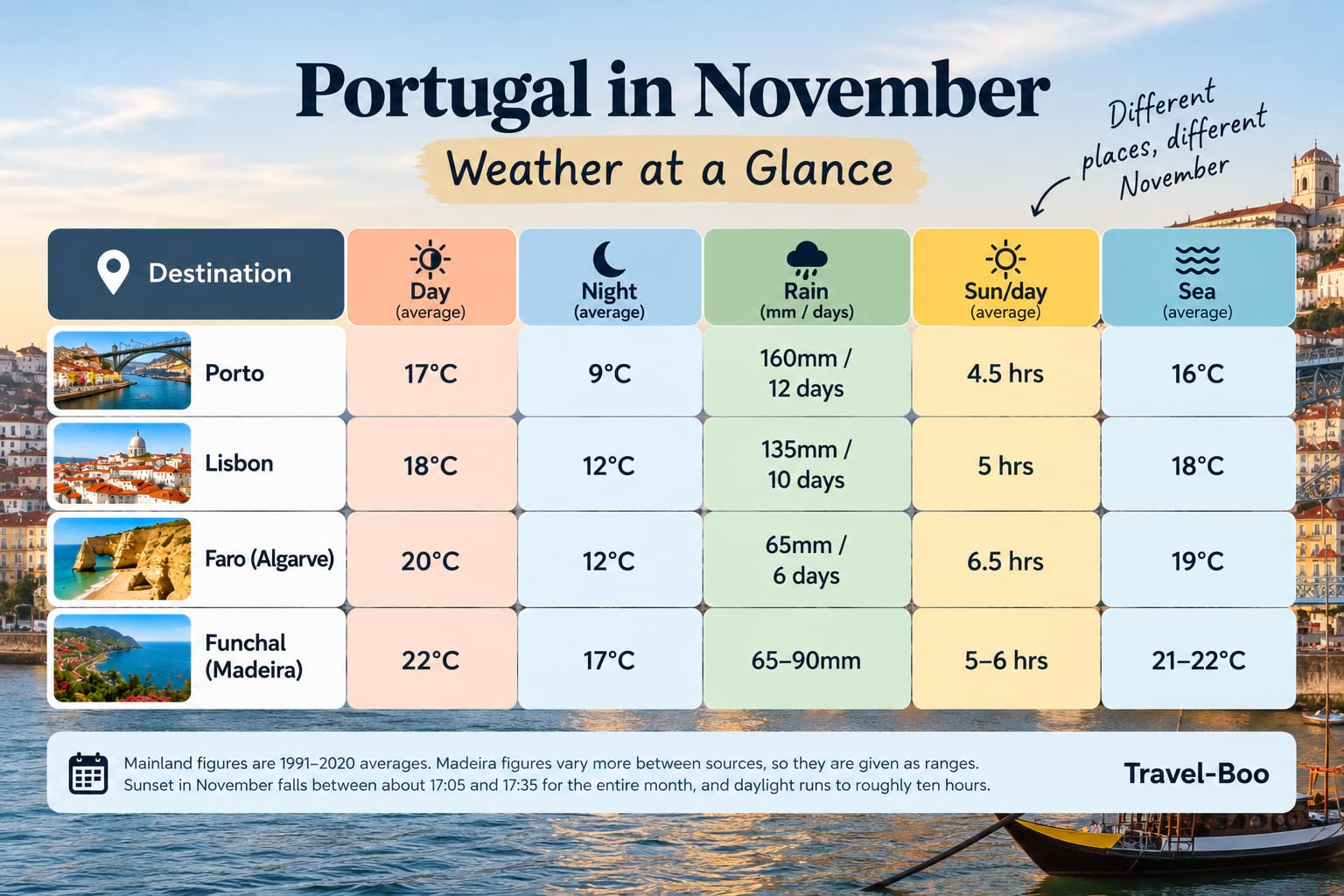
The temperatures themselves only tell part of the story. The much bigger difference is rainfall. Porto is noticeably wetter than Lisbon, while the Algarve gives you a better chance of dry weather. Madeira sits in a different climate again.
Rain also doesn’t necessarily mean a full day of grey drizzle. Atlantic fronts can bring several hours of heavy rain and wind followed by much clearer conditions. That’s why I’d avoid looking at a rain symbol several days out and assuming you’ve lost the entire day.
Daylight is another thing worth planning around. The clocks have already gone back by November, so sunset arrives early — generally shortly after 5pm on the mainland. Anything involving a long walk, viewpoint, coastal drive or hike is better planned for the morning and early afternoon.
💡 Insider Tip
Wet calçada — Portugal’s traditional stone paving — can be incredibly slippery. I’ve seen tourists have some nasty falls on it over the years, particularly on Lisbon’s hills. Comfortable shoes aren’t enough on their own; I would prioritise a sole with decent grip if rain is forecast.
Early November vs Late November
Early and late November can feel surprisingly different.
Around 11 November you may hear people talk about Verão de São Martinho, or St Martin’s summer — a traditional name for a spell of mild, sunny autumn weather around São Martinho. It happens often enough to have become part of Portuguese culture, but it is a tendency rather than a weather forecast, so don’t plan a trip around it.
Later in November the evenings feel colder, particularly in northern and inland Portugal. It’s also when Christmas decorations and lights increasingly start appearing in Lisbon and Porto. If you’re travelling towards the end of the month, my guide to Christmas in Portugal covers what to expect as the festive season gets underway.
Where Is Warmest in Portugal in November?
On mainland Portugal, head south. The Algarve is generally the warmest option, with Faro averaging around 19.6°C (67°F) during the day.
If you include the Portuguese islands, Madeira is the warmer choice. Funchal averages around 22.8°C (73°F) during the day and roughly 17°C (63°F) at night, with the sea still sitting at around 21–22°C (70–72°F).
I would still describe both as mild rather than hot. If you’re choosing between regions, think in terms of better odds of warmth and sunshine rather than expecting summer weather.
Can You Swim in Portugal in November?
On the mainland, you can, but most people aren’t going to consider it comfortable beach weather.
The Algarve sea is roughly 18–19°C (64–66°F) in November. That’s manageable for a quick dip if you’re used to cooler water, but very different from a Mediterranean beach holiday.
There is also a safety point that matters. Portugal’s official mainland bathing season has ended by November, which means you shouldn’t assume a beach will have lifeguards or the facilities you would find there during summer.
Madeira is a different proposition. With sea temperatures around 21–22°C (70–72°F), swimming is much more realistic, although sea conditions can still affect natural pools and boat trips.
Where to Go in Portugal in November

Lisbon
Lisbon is probably my easiest recommendation for November because the city doesn’t depend on good weather to work.
I’ve lived in and around Lisbon for years, and there are still beautifully bright November days when sitting outside for lunch is perfectly pleasant. Autumn is properly visible by this point too, with yellow and brown leaves scattered across the streets and parks.
When it does rain, museums, markets, cafés and restaurants give you plenty to work around it. And when the sun comes out, the cooler temperatures make walking Lisbon’s hills far more comfortable. My guide to the best viewpoints in Lisbon covers some of my favourite places to take advantage of a clear day.
One date range is worth checking before you book: Web Summit takes place in Lisbon for several days each November. It brings a huge number of visitors into the city, so accommodation demand can rise around the event — including immediately before and after it as attendees arrive early or extend their stay.
If your dates overlap with Web Summit, I’d book accommodation earlier than I normally would for November. You can compare places to stay in Lisbon here.
Porto and the Douro Valley
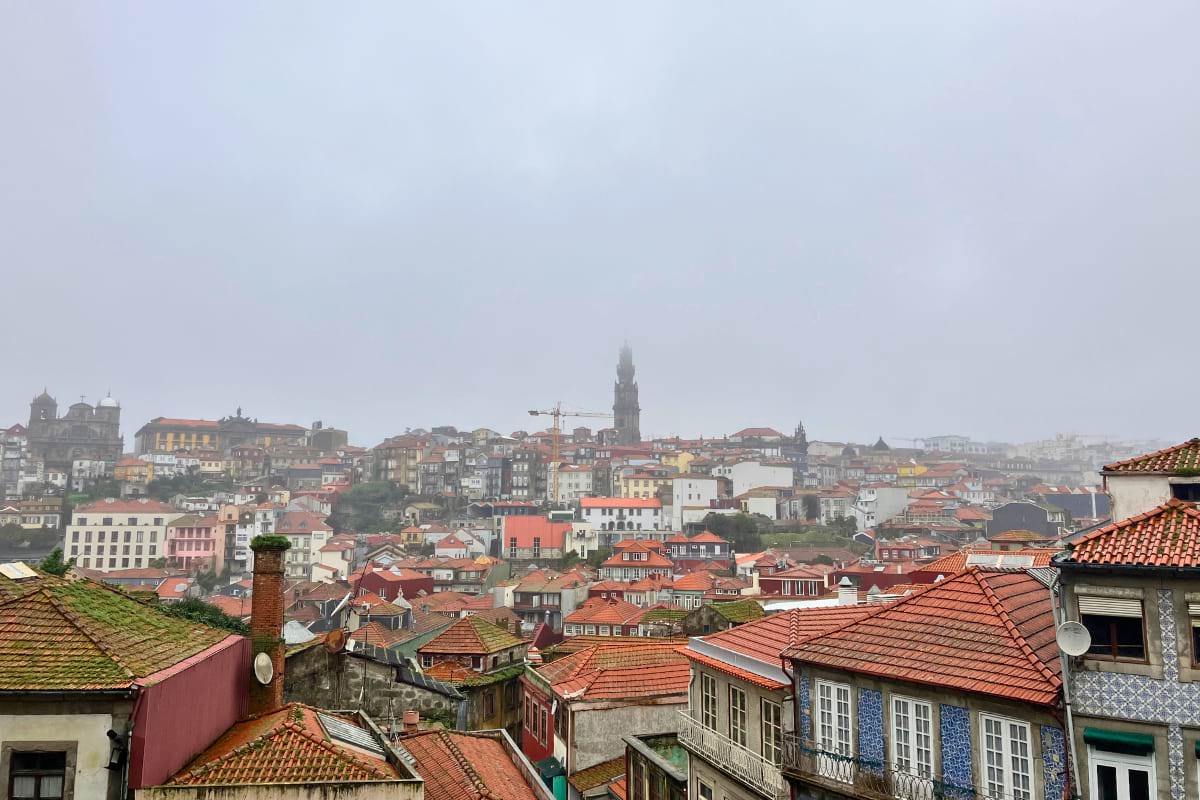
Porto gets considerably more November rain than Lisbon or the Algarve, but I wouldn’t rule it out because of that. Much of what makes Porto worth visiting works perfectly well in bad weather.
The port lodges are indoors, São Bento station isn’t going anywhere, and neither are the cafés, restaurants and museums. On dry days you can make the most of the Ribeira and viewpoints; when the weather turns, change the plan rather than the destination. My guide to the best things to do in Porto gives you plenty of options.
The Douro Valley is also worth considering. The grape harvest is over by November, but the landscape is in its autumn colours and wine tourism continues. My guide to the wine regions of Portugal has more on the Douro and Portugal’s other wine regions.
A Douro Day Trip from Porto
If you don’t want to drive, this is one November activity I’d happily book as an organised tour. This small-group option combines family-run wineries, tastings, lunch and a Douro River boat trip, with groups limited to 15 people.
🍷 Check the small-group Douro Valley wine tour here. It also offers free cancellation up to 24 hours beforehand, which is useful when travelling in November.
If you’re combining Porto and Lisbon, my Lisbon to Porto guide covers the different ways to travel between them.
The Algarve
The Algarve gives you the best chance of mild, dry weather on mainland Portugal, but November is also where choosing the right base matters most.
Portugal doesn’t simply close for winter, and neither does the Algarve. What changes is the tourist infrastructure. Seasonal beach bars, concessions and some restaurants reduce their hours or close, particularly in smaller resort areas.
Popular towns with a substantial year-round population — including Lagos, Faro, Tavira, Portimão and Albufeira — continue functioning normally enough for a November trip. You just won’t get the same beach-resort atmosphere you would in July.
For me, November makes much more sense here for coastal walks, golf, exploring towns and road trips than for lying on a beach. The coastline is still spectacular, and my guide to the best beaches around Lagos is useful even if you’re seeing them from the cliffs rather than from a sun lounger.
💡 Insider Tip
If Benagil Cave is on your list, don’t leave it until the final day of your trip. Access is regulated and November sea conditions can affect boat departures and cave access. Choose a tour with flexible cancellation and leave yourself another day to reschedule if the weather doesn’t cooperate.
This Benagil boat tour from Portimão includes free cancellation up to 24 hours beforehand and specifically notes that departures can change or be cancelled because of adverse weather conditions.
Madeira
If warmer weather matters more than anything else, Madeira is the strongest option.
Funchal averages around 22.8°C (73°F) during the day, nights remain mild and the sea is still warm enough for swimming. It’s also an excellent time for walking, provided you stay flexible around the weather.
Madeira has substantial microclimates, so a wet forecast for one side of the island doesn’t necessarily tell you what is happening elsewhere. Hiking conditions can also change quickly. My guide to the best hikes in Madeira is a good starting point if walking is part of the trip.
What Is Portugal Good for in November?
City breaks
Lisbon and Porto are obvious choices because rain doesn’t have to derail the day. You can shift between outdoor sightseeing, museums, food, markets and cafés according to the weather rather than needing a perfectly sunny itinerary.
Walking and sightseeing
Cooler temperatures make November excellent for exploring on foot. That applies to Lisbon’s hills, Algarve cliff walks, Madeira’s levadas and many of Portugal’s longer hiking routes. My guide to the best hikes in Portugal has more ideas.
Food and wine
November suits the food-and-wine side of Portugal particularly well. It’s chestnut season, the new wine has arrived, and cooler evenings make long lunches and heavier Portuguese dishes considerably more appealing than they are during the heat of summer.
If you’re curious about what to order, my guides to Portuguese drinks and what to eat in Lisbon are good places to start.
Road trips
November is also a good time to drive. Roads are quieter than in summer, parking is generally easier and having your own car gives you the freedom to change plans when the weather does.
A car is particularly useful if you’re exploring the Alentejo, smaller Algarve towns or combining several regions. You can compare Portugal car-hire rates with Discover Cars here.
A quieter trip
Portugal isn’t devoid of tourists in November, particularly in Lisbon and Porto, but you’re well outside the main summer rush.
That makes a noticeable difference at viewpoints, museums, restaurants and popular day-trip destinations. It’s one of the strongest reasons I’d consider November if seeing Portugal without peak-season crowds matters more to you than guaranteed sunshine.
Nazaré’s big-wave season
November is also when one of Portugal’s most extraordinary natural spectacles can start stealing the headlines. Nazaré’s big-wave season broadly runs from October to March, with the giant Atlantic swells breaking at Praia do Norte.
The underwater Nazaré Canyon plays a major role in creating the enormous waves that have made the town one of the world’s best-known big-wave surfing destinations.
The important thing is not to assume that November automatically means giant waves. They depend on Atlantic storms, swell direction and sea conditions, and the really spectacular days can’t be predicted months ahead.
If a major swell happens to coincide with your Portugal trip, though, it’s absolutely something I’d consider making the journey to Nazaré for. Check the current Nazaré big-wave information and forecast close to your travel dates rather than planning around it months in advance.
São Martinho and Roasted Chestnuts
São Martinho falls on 11 November and is one of those Portuguese traditions that visitors can easily miss.
Traditionally it’s associated with magustos — gatherings with roasted chestnuts, new wine and drinks such as água-pé and jeropiga. The celebrations are particularly associated with northern and rural Portugal, although roasted chestnuts are everywhere at this time of year.
For me, the chestnut carts appearing around Lisbon are always one of the first signs that Christmas is around the corner. You smell them before you see them, particularly around the busier squares and shopping streets. If you’re staying into December, my guide to Christmas in Portugal picks up where November leaves off.
What to Pack for Portugal in November
You don’t need a completely different wardrobe for Portugal in November, but you do need to pack for changing conditions rather than one predictable temperature.
- Shoes with good grip. Particularly important for wet calçada in Lisbon and Porto.
- A waterproof jacket with a hood. Atlantic rain often arrives with wind, which can make an umbrella more trouble than it’s worth.
- Layers. A pleasant 18°C (64°F) afternoon can turn into a much cooler evening surprisingly quickly.
- A warmer layer for indoors. Older Portuguese apartments and guesthouses aren’t always as warm inside as visitors expect.
- Swimwear if you’re heading to Madeira or staying somewhere with a heated pool. For a mainland beach holiday, it shouldn’t be the thing taking up most of your suitcase.
If you’re still deciding what to bring, I’ve put together a complete Portugal packing list covering clothing, shoes, travel essentials and what to pack for Portugal in every season.
🍂 Packing for Portugal in November?
November can mean mild sunny days, rain, cooler evenings and quite a bit of variation depending on where you go. I’ve put together a collection of practical autumn and winter essentials for Portugal, including layers, rain gear, comfortable walking shoes and a few useful travel basics.
Browse my Portugal Autumn & Winter Packing Essentials →
As an Amazon Associate, Travel-Boo earns from qualifying purchases at no cost to you.
Portugal in November FAQ
Is November a good month to visit Portugal?
Yes, particularly for city breaks, sightseeing, food, wine, walking and road trips. It is less suitable for a mainland beach holiday because rainfall is more likely and the Atlantic is cold.
Is Portugal warm in November?
Portugal is generally mild rather than hot in November. Lisbon averages around 18.4°C (65°F) during the day, Faro around 19.6°C (67°F), Porto around 16.8°C (62°F), while Funchal in Madeira averages around 22.8°C (73°F).
Does it rain a lot in Portugal in November?
November is one of the wetter months, but rainfall varies considerably by region. Porto is much wetter than the Algarve, while Lisbon sits between the two. Rain can also arrive in heavy Atlantic fronts rather than continuous all-day drizzle.
Where is warmest in Portugal in November?
Madeira is generally the warmest part of Portugal in November. On the mainland, the Algarve offers the mildest temperatures and generally better odds of dry weather.
Can you swim in Portugal in November?
You can, but mainland sea temperatures are cool and the official bathing season has ended. Madeira is a better option for swimming, with sea temperatures around 21–22°C (70–72°F).
Is the Algarve warm in November?
The Algarve is the warmest part of mainland Portugal in November, with Faro averaging around 19.6°C (67°F) during the day. Expect mild rather than hot weather, cool evenings and a chance of rain.
What should I wear in Portugal in November?
Pack layers, a waterproof jacket and comfortable shoes with good grip. Days can be pleasantly mild, while evenings are much cooler and rain can arrive with strong Atlantic winds.
Is Madeira warm in November?
Yes. Funchal averages around 22.8°C (73°F) during the day and roughly 17°C (63°F) at night, making Madeira noticeably warmer than mainland Portugal.
So, Is Portugal Worth Visiting in November?
I think November works particularly well if you want to actually explore Portugal rather than build the trip around the beach.
You need to accept that rain is part of the deal, especially in Lisbon and Porto, and that daylight disappears earlier than you might expect. In return, you get cooler walking weather, fewer visitors, autumn food and wine, and a country that is still very much functioning outside its summer season.
If weather is your priority, look south to the Algarve or Madeira. If you’re coming for cities, food and culture, Lisbon and Porto both work well. And if you’re flexible enough to follow the forecast rather than fight it, November can be a very rewarding time to travel around Portugal.
Planning Your November Trip
A couple of useful places to start once your dates are set:
🏨 Accommodation: Compare places to stay in Lisbon, particularly if your dates overlap with Web Summit.
🚗 Car hire: Compare Portugal car-hire rates if you’re planning to explore beyond the main cities.